When people consider technology systems, they often focus on visible equipment: displays, cameras, speakers, microphones, network switches, and control systems. Yet one of the most important parts of any installation—the cabling infrastructure—is rarely seen after the project is complete. Whether it's a conference room, hospitality venue, smart home, or commercial facility, the performance of the entire system depends on the quality and suitability of the cables that connect it all.
A common misconception is that "wire is just wire." In reality, selecting the wrong cable can lead to poor audio quality, video signal failures, network instability, equipment damage, and costly troubleshooting down the road.
Let's explore the different types of cables commonly used in professional technology systems and why choosing the right cable matters.
Data Network Cables (Category Cable)
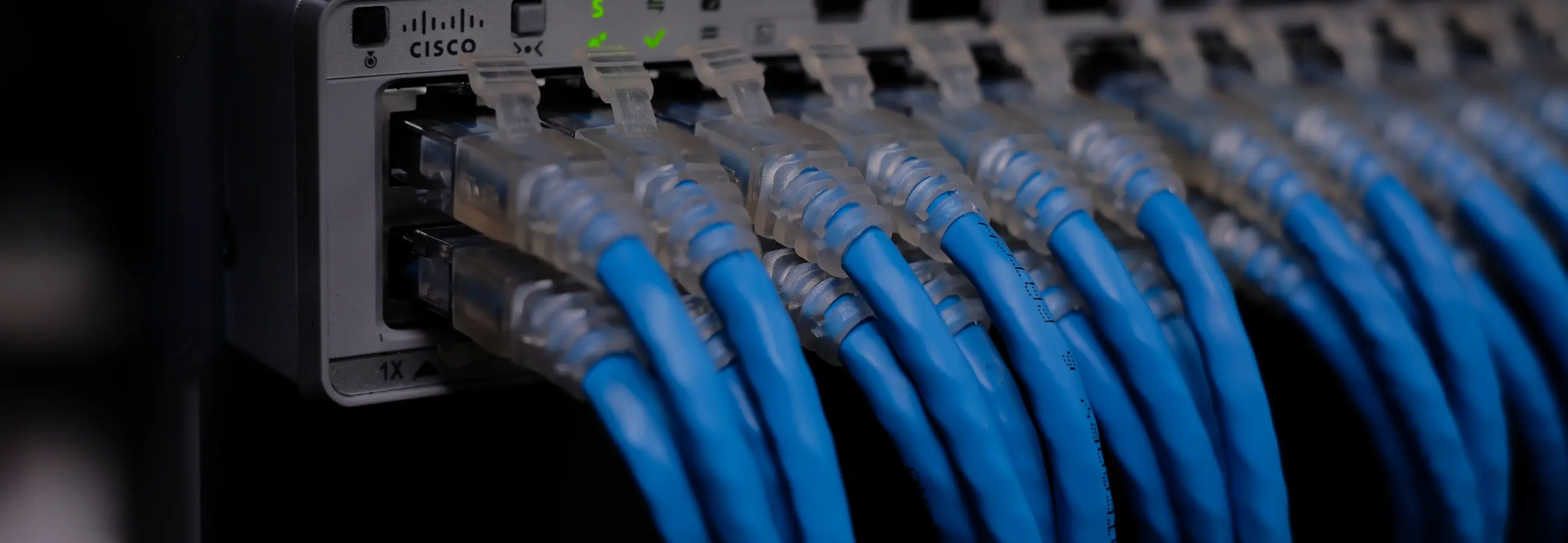
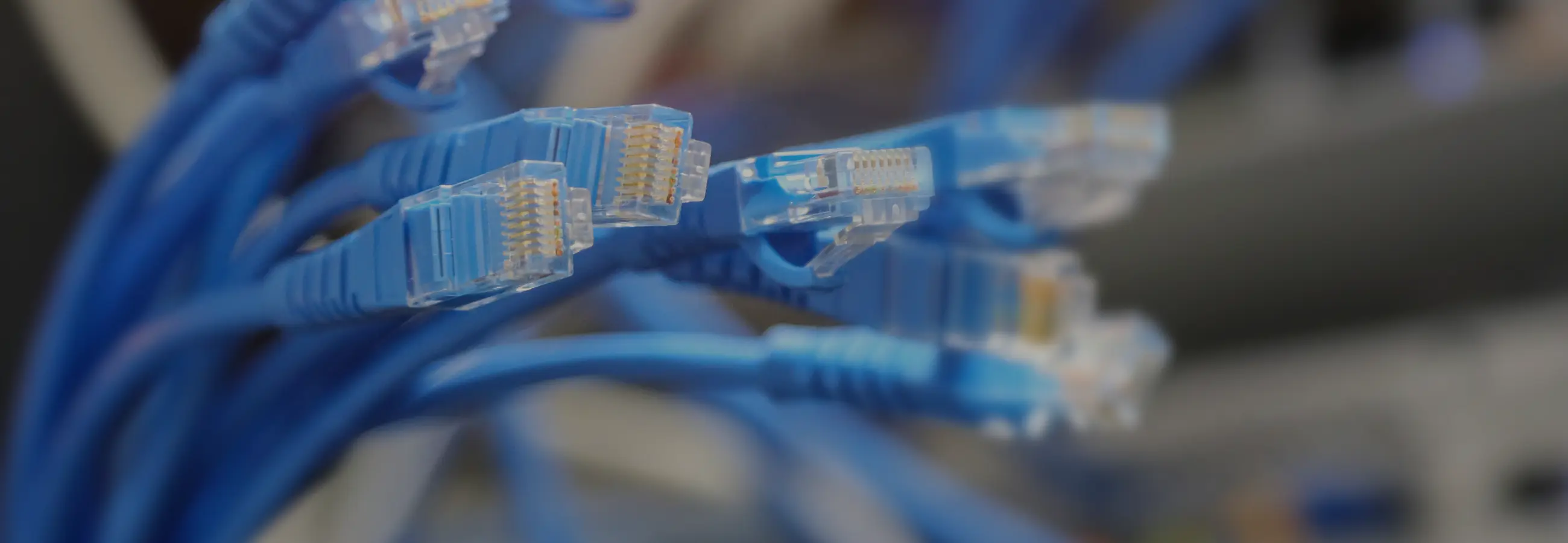
Data cables are the backbone of modern technology. They connect computers, wireless access points, security cameras, audiovisual devices, and control systems.
The most common categories are:
- Cat5e
- Cat5e
- Cat6
- Cat6A
- Cat7 and Cat8 (specialized applications)
Why Quality Matters
Not all Category cables are built to the same standards. Important differences include:
- Conductor material (solid copper vs. copper-clad aluminum)
- Shielding
- Bandwidth capability
- Twist consistency
- Jacket quality
- Fire rating (CM, CMR, CMP)
A lower-quality cable may pass a simple continuity test but struggle with high-speed data transmission, Power over Ethernet (PoE), or long-term reliability.
Typical Applications
Cat6
- Workstations
- VoIP phones
- Security cameras
- Wireless access points
Cat6A
- 10-Gigabit networks
- High-performance AV systems
- Future-ready infrastructure
- Enterprise environments
Proper cable selection ensures network stability, reliable PoE delivery, and maximum performance for years to come.
________________________________________
Line-Level Audio Cables
Line-level audio cables carry low-voltage audio signals between devices such as:
- DSP processors
- Audio mixers
- Amplifiers
- Media players
- Microphone receivers
These signals are highly sensitive to electrical interference.
Why Quality Matters
Professional audio cables typically feature:
- Shielding to reject electrical noise
- Low capacitance design
- High-quality conductors
- Consistent impedance characteristics
Using the wrong cable can introduce:
- Hum
- Buzzing
- RF interference
- Signal degradation
- Reduced audio clarity
In high-performance audio systems, cable quality directly impacts sound quality and reliability.
Typical Applications
- DSP-to-amplifier connections
- Audio rack interconnections
- Background music systems
- Paging systems
- Conference room audio systems
________________________________________
Speaker Cables
Speaker cables carry amplified power from an amplifier to a loudspeaker.
Unlike line-level audio, speaker cables handle significantly higher current and power levels.
Why Quality Matters
Speaker cable performance depends on:
- Wire gauge (AWG)
- Conductor quality
- Distance of the cable run
- Power requirements
Using a cable that is too small for the distance can cause:
- Power loss
- Reduced speaker performance
- Lower output levels
- Amplifier stress
Typical Guidelines
Short distances:
- 16 AWG may be sufficient
Medium distances:
- 14 AWG is common
Long distances or high-power systems:
- 12 AWG or larger
Professional installations often use larger conductors to minimize signal loss and maximize system performance.
________________________________________
Control and Automation Cables
Control cables are used for communication between technological devices.
Examples include:
- Lighting control systems
- Motorized shades
- Touch panels
- Relay controls
- Sensor interfaces
- Building automation systems
These cables typically carry low-voltage control signals rather than audio or network traffic.
Why Quality Matters
Control systems require reliable communication.
Using the wrong cable can result in:
- Intermittent operation
- Communication failures
- Unresponsive devices
- Increased service calls
Manufacturers often specify exact cable requirements to ensure proper system operation.
Typical Applications
- RS-232 communication
- Relay control
- Sensor wiring
- Contact closures
- Lighting control networks
Following manufacturer recommendations is critical for long-term reliability.
________________________________________
HDMI Cables
HDMI cables carry digital audio and video signals between source devices and displays.
HDMI connectors may look identical, but cable performance differs widely.
Why Quality Matters
Modern video systems often operate at:
- 4K resolution
- 8K resolution
- HDR formats
- High refresh rates
These formats require significantly more bandwidth than older video systems.
An HDMI cable that works perfectly at 1080p may fail completely when used for 4K HDR content.
Common symptoms include:
- No video signal
- Intermittent dropouts
- Sparkles or artifacts
- HDCP errors
- Audio issues
Typical Applications
Short runs:
- Passive HDMI cables
Medium runs:
- Active HDMI cables
Long runs:
- Fiber optic HDMI cables
- HDBaseT extension systems
- AV-over-IP solutions
Selecting the correct solution depends on distance, resolution requirements, and installation conditions.
________________________________________
Safety and Code Compliance Matter
Cable selection is not only about performance.
Professional installations must also comply with building codes and safety requirements.
Common cable ratings include:
- CM – General purpose
- CMR – Riser rated
- CMP – Plenum rated
Using the wrong cable type in the wrong environment can violate code requirements and create safety concerns.
Infrastructure must address both performance and compliance.
________________________________________
The Cost of Choosing the Wrong Cable
The cable itself typically accounts for only a small percentage of the overall project cost.
However, replacing cabling after walls or ceilings are finished, or systems are operational, can be extremely expensive.
Investing in the proper cable from the beginning helps avoid:
- Troubleshooting costs
- Downtime
- Future upgrades
- System reliability issues
- Premature replacement
The best equipment cannot perform properly when connected with unsuitable cabling.
Technology systems are only as reliable as their supporting infrastructure.
Network cables, audio cables, speaker cables, control wiring, and video cables each serve a specific purpose and are engineered for different performance requirements. Choosing the right cable is not about buying the most expensive option; it's about selecting the appropriate cable for the application.
A well-designed cabling infrastructure delivers better performance, greater reliability, easier maintenance, and a longer service life for the entire system.
At ProAV.Miami, we believe that great systems start with great foundations. That's why every project begins with careful engineering, proper cable selection, and adherence to industry best practices, ensuring your technology performs exactly as intended today and well into the future.